

MIT blackjack-tiimi
Kasinomaailma suorastaan pursuilee erilaisia menestystarinoita, joista osa on todellisia ja osa aivan täysin tuulesta temmattuja. Elokuvateollisuudella on oma lusikkansa sopassa ja Hollywood on muokannut katsojien kuvaa kasinoista saaden ne näyttämään kullankiiltoisilta paratiiseilta, joissa jokainen voi nousta ryysyistä rikkauksiin.
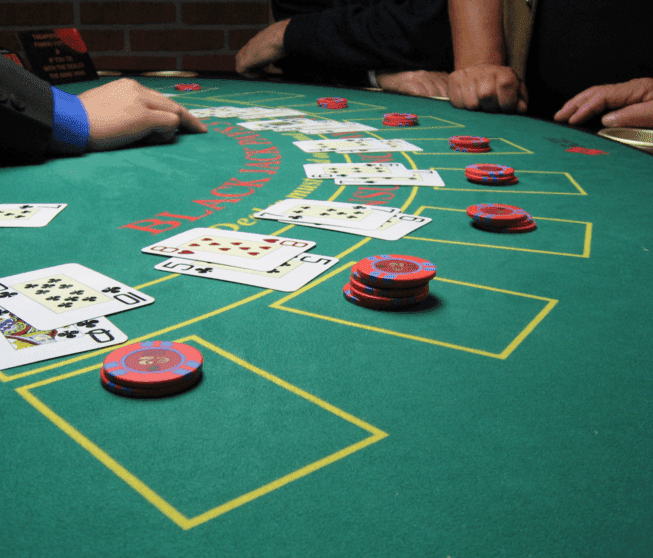 Totta on, ettei blackjack perustu ainoastaan onneen muutamien muiden uhkapelien tapaan, vaan pelaaja voi oikeaa strategiaa käyttämällä saada voittotodennäköisyydet taipumaan puolelleen. Tämä ei kuitenkaan ole niin yksinkertaista kuin annetaan ymmärtää ja pelaajan on omattava hyvän muistin ja laskupään lisäksi kattava tietämys itse pelistä ja sen kulusta. Todennäköisyyden, koska jakaja kääntää pakasta suuren kortin (10, J, Q, K, A) tai pienen (2,3,4,5,6), tietäminen on ratkaiseva tekijä onnistuneessa korttienlaskussa. Erinomainen pelisilmä kehittyy kuitenkin ainoastaan ajan saatossa kokemuksen myötä.
Niin amatööri- kuin ammattipelaajatkin kehittävät pelistrategioitaan jatkuvasti, ja pitävät silmänsä auki, milloin pelitilanteeseen kannattaa jäädä ja koska ottaa lisää kortteja, splitata tai tuplata. Kaikki tämä on laskettavissa tarkkailemalla todennäköisyyksiä jakajan ja omien korttien ilmestymisen mukaan. Korttienlaskemiseen on monia erilaisia tekniikoita, joiden on osoitettu toimivan.
Opiskelijaryhmä tyhjentää kasinon
MIT Blackjack-tiimi on kuuluisa tapaus, joka oli osoitus täysin uudenlainen pelaamistaidosta. Oppilaat Massachusetts Institute of Technologyista, Harvard Business Schoolista ja Harvardin yliopistosta ryhtyivät kehittämään blackjack-strategiaa, joka antoi miljoonien voittoja. He matkustivat Atlantic Cityyn testatakseen systeemiä heidän luomallaan strategialla ja hankkivat itselleen suuren voiton paikalliselta kasinolta.
Vuonna 1979 ammattipelaaja näki ilmoituksen yliopistolla olevasta blackjack-kurssista ja ryhtyi laajentamaan sitä. Massar muodosti kurssinsa osallistujista uuden joukkueen, jonka tavoite oli kehittää tehokas blackjack-strategia. He matkasivat yhdessä Atlantic Cityyn “rangaistaksesi” paikalliset kasinot, sillä New Jerseyn sääntöjen mukaan kortinlaskijoiden ryhmien rankaiseminen oli mahdotonta. Ryhmä pelasi vuoden 1980 kevääseen asti keräten voittoja, mutta heidän strategiansa eivät olleet yhdenmukaisia ja he eivät ainakaan tarkastelleet pelin laatua enemmän.
Kaplan tulee taloon
Tilanne oli kuitenkin saamassa uuden, ratkaisevan käänteen, kun Massar sattui kuulemaan kiinalaisessa ravintolassa käydyn keskustelun, kuinka Bill Kaplan, juuri Harwardista valmistunut opiskelija, oli muodostanut Las Vegasissa menestyksekkään blackjack-tiimin kolme vuotta aiemmin. Massar esitteli itsensä Kaplanille, joka oli tehnyt jo vuosia pelistä omaa tutkimustaan ja tilastoanalyysiä.
Kaplan puolestaan löysi itsensä tilanteesta, jossa hänen tiiminsä jäsenet olivat jo liian tuttuja kasvoja Yhdysvaltojen kasinoilla, eikä heillä ollut muuta vaihtoehto kuin siirtää toimintansa Euroopan kasinoille. Näin ollen Massarin yllättävä ehdotus liittyä hänen porukkaansa tuli juuri oikealla hetkellä, ja Kaplan siirtyi Massarin Atlantic City tiimin johtoon. Massarin tiimi oli käyttänyt vaikeaselkoista korttienlaskustrategiaa, jonka Kaplan pian muokkasi tarkemmaksi, ottaen samalla ohjat. Kaplan johti ryhmää yrityksen tavoin vaatien tiukkaa koulutusta sekä yhteisiä sääntöjä ja pelikäytäntöjä ryhmäläisten kesken.
Muutama ryhmän alkuperäisjäsen vastusti aluksi Kaplanin kurillista johtotyyliä, johon kuului peliliikkeiden raportointi, ajan ottaminen, rahaliikenteen merkitseminen ylös sekä panosstrategioiden käyttäminen jokaisella pelikierroksella. Blackjackin pelaaminen oli todellakin muuttunut työksi, mutta kaikki tämä ammattimaisuus teki Kaplan tiimistä lyömättömän ja muutamassa pelipöydässä vietetyn tunnin jälkeen ryhmäläiset olivat jo satoja dollareita plussan puolella. Vuosittainen voittoprosentti oli 250 % luokkaa.
Ryhmä niitti mainetta ja rekrytoi jatkuvasti uusia, lahjakkaita jäseniä. Noviisit kuulivat tiimistä yliopistoillaan jaettavien lehtisten kautta. Hakijoiden oli kuitenkin opittava ryhmän käyttämät pelitekniikat ja läpäistävä rankka koejakso menestyksekkäästi, ennen kuin he voivat sanoa kuuluvansa MIT-tiimin riveihin.
Kuuluisimpia jäseniä olivat:
- Mike Aponte
- Bill Kaplan
- J.P Massar
- Manlio Lopez
- Wes Atamian
- Andy Bloch
- Katie Lillenkamp
Tiimiin kuului aina suurella rahasummalla pelaava pelaaja, kontrolloija ja tarkkailija. Jälkimmäisen tehtävä oli ilmoittaa ryhmälle, milloin oli otollinen hetki aloittaa korttienlaskeminen. Kontrolloija oli puolestaan mukana pelaamassa pienillä panoksilla ja testaamassa kortinlaskun pitävyyden. Kun kontrolloija pääsi pelissään voiton puolelle, antoi hän merkin niin kutsutulle ”isolle pelaajalle”. Tämä asetti jättimäisen panoksen voittaen mahtavan rahasumman, jonka ryhmä jakaisi keskenään myöhemmin.
Tiimi jää omilleen
Vuosi 1984 oli MIT-tiimille ratkaiseva. Kaplan oli jo niin tunnettu kasvo amerikkalaisilla kasinoilla, ettei häntä laskettu enää sisään yhteenkään niistä. Miehen oli vaihdettava alaa ja hän siirtyi takaisin entiseen päivätyöhönsä kiinteistöalalle. MIT-tiimi oli tässä vaiheessa kasvanut huomattavasti sen alkuajoista pitäen nyt joukoissaan liki 80 jäsentä. Tiimi ei enää pelannut ainoastaan Atlantic Cityssä, vaan oli laajentanut toimintaansa Cambridgeen, New Yorkiin, New Jerseyihin, Pennsylvaniaan, Kaliforniaan, Illinoisiin ja Washingtoniin. Kokeneet pelaajat kouluttivat uusia ja korvasivat kasinoiden jo tunteman pelaajan tuoreella kasvolla.
Sisäiset erimielisyydet kuitenkin kalvoivat MIT-tiimiä, joka vuonna 1994 jakautui kahdeksi eri joukoksi. Toinen jatkoi toimintaansa Aponten johtamana ja toista pyöritti Semyon Dukach. Vuoteen 2000 mennessä kaikki tiimit olivat kuitenkin lähteneet omille teilleen ja MIT:stä oli jäljellä ainoastaan maine, joka on kestänyt tähän päivään asti.
Korttienlaskemisen riemuvoitto
Tiimin tarina on esitetty useasti. Siitä on kirjoitettu kirjoja, kuten Ben Mezrichin Bringing Down the House. Tiimin jäsenten kokemuksia voi puolestaan lukea esimerkiksi Jeffrey Ma’n The House Advantage: Playing the Odds to Win Big in Business sekä Nathaniel Tiltonin The Blackjack Life teoksista.
Tähän uskomattomalta kuulostavaan korttienlaskun voittokulkuun voi myös tutustua valkokankaalta, sillä elokuvat The Last Casino (2004) ja 21 (2008) kuvastavat tiimin alkuvaiheita. MIT-tiimi onnistui todellakin todistamaan, että korttienlaskemisella ja hyvällä pelistrategialla kasinon kuin kasinon lyöminen on mahdollista eikä blackjack todellakaan perustu ainoastaan onnettaren mielihaluihin.
Aiheeseen liittyvät artikkelit
- Blackjackin pelaaminen verkossa
- Korttien laskeminen Blackjackissa
- Huijaaminen Blackjackissa
- Blackjack kirjallisuudessa
- Blackjackin sanasto

Aino Virtanen, jolla on teknologinen tausta Turun yliopistosta, pystyy tarkastelemaan pelejä teknisestä näkökulmasta. FreeSpinsKasino.com-sivustolla hän arvostelee uusimpia pelejä keskittyen pelimekaniikkaan, grafiikkaan ja käytettävyyteen. Hänen analyyttinen kykynsä varmistaa, että jokainen arvostelu on tarkka ja oivaltava.