

Blackjack kirjallisuudessa
Blackjack-korttipeli kuuluu erottamattomana osana kasinokokemukseen. Toisin kuin pokeria, blackjackia pelataan jakajaa eli taloa vastaan, eikä kanssapelaajien korteilla ole merkitystä. Vaikka etu saattaakin olla lähtökohtaisesti talon puolella, on blackjackissa mahdollista kääntää pelin kulku omaksi edukseen muutamalla strategisella päätöksellä siitä, milloin ottaa lisää kortteja, splitata tai tuplata.
Käden jakaminen eli splittaus on taitolaji, jossa pelaaja tuplaa ja jakaa kädessä olevat korttinsa. Käytännössä siis ne kaksi korttia, jotka ovat muodostaneet pelikäden, ovat splittauksen jälkeen yksittäisiä kortteja kahdessa uudessa kädessä. Yleensä splittaaminen on mahdollista, kun kädessä on kaksi samanarvoista korttia. Tämä tosin vaihtelee sääntöjen mukaan, joten niihin kannattaa perehtyä huolella.
Toinen strateginen hetki blackjackin pelaamisessa on tuplaus. On syytä muistaa, että tuplaamiseen liittyy aina riski. Kieltämättä hyvän käden koittaessa tuplaamisen kaipuu saattaa olla suuri, mutta aloittelijan kannattaa laittaa jäitä hattuun.
Blackjackin strategioista on kirjoitettu lukuisia teoksia, mutta pelin pääasiallinen tarkoitus on tarjota jännitystä ja viihdettä. On kuitenkin hyvä muistaa, että pelatessa voi olla oikea hetki unohtaa säännöt ja sotkematta pelaamisen tosielämön aistimuksiin. Riskillä pelaaminen on itsessään osana blackjack-kokemusta ja siksi voittamiseen tarvitaan myös tuurilla onnea. Korttien laskeminen vaatii sekä taitoa että harjoittelua, mutta intuitioon saattaa lopulta uskoa enemmän ja nauttia yhdestä maailman suosituimmasta uhkapelistä.
Beat the Dealer : A Winning Strategy for the Game of Twenty-One, Edward O. Thorp, 1966
Edward O. Thorp on kirjoittanut lukuisia blackjackista kertovia teoksia. Hänen ensimmäiset julkaisunsa ovat 1960-luvulta, ja viimeisin vuodelta 2011. Thorp on itse vannoutunut blackjackin pelaaja ja mies on ammatiltaan matematiikan opettaja. Tämä yhdistelmä tekee Thorpista erittäin arvostetun blackjack-asiantuntijan. Yksi miehen tunnetuimmista teoksista on ”Beat the Dealer”, joka johdattaa lukijan blackjackissa menestymisen saloihin.
Beat the Dealer : A Winning Strategy for the Game of Twenty-One- teos (suom. Lyö jakaja: pelin kaksikymmentäyksi voittostrategiaa) paljastaa Thorpin kehittämän legendaariseksi muodostuneen pelisysteemin blackjackissa. Tätä menetelmää ovat käyttäneet niin aloittelevat amatööripelaajat, kuin Las Vegasin tai Monte Carlon ammattipeluritkin. Teos kattaa blackjackin pelisäännöt, toimiviksi todistetut voittostrategiat ja kuinka havaita huijaaminen kasinopöydässä. Beat the Dealer -kirjaa pidetään blackjackin raamattuna, joka jokaisen blackjack pelaajan täytyy tuntea kuin oma taskunsa. Kirja on matemaattisuudestaan huolimatta helppolukuinen ja havainnollinen, joten pelaajan on vaivatonta poimia siitä kullanarvoiset pelivinkit talteen.
Blackjack: A Winner’s Handbook, Jerry L. Patterson, 2001, (1978)
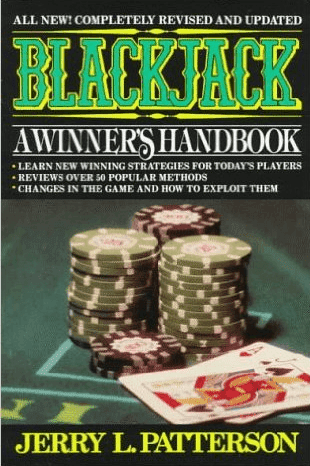 Jerry Patterson on uhkapeliekspertti, joka neuvoo teoksessaan Blackjack: A Winner’s Handbook (suom. Blackjack: voittajan käsikirja) niin aloittelijoita kuin kokeneitakin pelaajia kääntämään todennäköisyydet puolelleen. Tämä kirja tarjoilee uhkapelaajille kaiken, mitä heidän tarvitsee tietää korttienlaskemisesta niin kivijalkakasinoilla kuin verkkokasinoillakin. Erittäin positiivista kirjassa onkin sen ote internetissä pelaamiseen ja korttienlaskeminen tietokonetta vastaan.
Luck, Logic, and White Lies: The Mathematics of Games, Jörg Bewersdorff, 2004
Kuten mainittua, blackjackissa pelaajan matemaattisilla taidoilla on suuri merkitys erityisesti todennäköisyyslaskennassa. Bewersdorff on onnistunut tekemään näistä laskutekniikoista helppoja ja hauskoja kaikille pelaamisesta pitäville henkilöille oli kyseessä sitten shakki, Monopoly™ tai Blackjack.
Teoksessaan Luck, Logic, and White Lies: The Mathematics of Games (suom. onni, logiikka ja valkoiset valheet: pelien matematiikka) Bewersdorff käy läpi Blackjackin matemaattiset perusteet ja voiton todennäköisyydet, jotka pelaaja voi sisällyttää omaan peliinsä välittömästi.
Playing Blackjack as a Business, Lawrence Revere, 1998 (1971)
Lawrence Revere on laajasti tunnettu blackjackin mestarina ja hänen teoksensa Playing Blackjack as a Business (suom. Blackjackin pelaaminen bisneksenä) on yksi miehen best sellereistä. Revere käyttää tietokoneiden apua luodessaan ja kehittäessään järjestelmistään kaikkein tehokkaimpia.
Myös blackjack-opettajana toiminut Revere on ollut mukana pelin maailmassa jakajana, omistajana, neuvonantajana sekä luonnollisesti ammattipelaajana. Mies esittelee teoksessaan kallisarvoista sisäpiirin tietoa luontevalla ja erittäin käytännönläheisellä tavalla.
Blackbelt in Blackjack, Arnold Snyder, 2005, (1980)
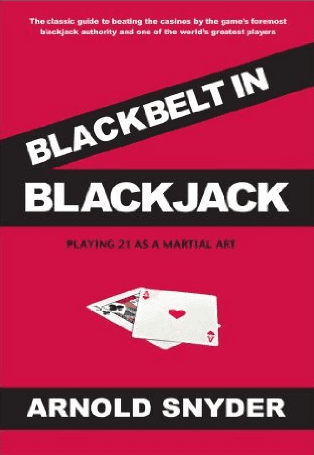 Arnold Snyder on ammattiuhkapeluri ja monien pokerista ja blackjackista kertovien teosten kirjoittaja. Snyder on yksi Barona Casinon Blackjack Hall of Famen seitsemästä alkuperäisestä jäsenestä, ja erittäin arvostettu henkilö uhkapelimaailmassa.
Blackbelt in Blackjack (suom. blackjackin musta vyö) viittaa taistelulajeihin ja käsittelee blackjackia varsin erikoisesta näkökulmasta. Snyder esittelee teoksessa ammattimaisia blackjack-tekniikoita ja paljastaa korttien laskemisen saloja pääpaino oikeissa, kasinoilla pelattavissa pelitilanteissa voittaminen.
Teoksen innoittajana on ollut Doyle Brunsonin Super System, ja se on suunnattu vakavasti otettaville ammattipelureille, jotka pyrkivät elättämään itsensä blackjackin pelaamisella. Kirjassa on blackjackin hengen mukaisesti 21 lukua, joissa Snyder paljastaa neuvoja ja vinkkejä tiimissä pelaamiseen sekä esittelee yksityiskohtaisesti red 7, hi-lo, zen sekä true count korttienlaskutekniikat.
The World Greatest Blackjack Book, Lance Humble, 2010 (1980)
Paljon lupaava Lance Humblen The World Greatest Blackjack Book (suom. maailman paras blackjack-kirja) on kattava teksti todennäköisyyksistä, panostrategioista ja paljosta muusta. Teos keskittyy ennen kaikkea Yhdysvaltojen kasinoihin mutta sisällyttää mukaan myös kansainvälisiä kasinosääntöjä.
Teoksessa esitetyt systeemit voivat olla vanhoja, mutta vielä tänäkin päivänä erittäin toimivia. Kirjaa lukemalla saa talon etua käännettyä pelaajalle huomattavasti suotuisampaan suuntaan.
The Blackjack Life, Nathaniel Tilton, 2012
Nathaniel Tilton on toiminut taloudellisena neuvonantajana Bostonissa, Yhdysvalloissa ja muiden kuuluisten blackjack-mestareiden tapaan nitonut pelin ja matematiikan yhteen. Kirjassaan The Blackjack Life (suom. Blackjack-elämä) Tilton kehittää strategioita niin yksin pelaaville blackjack-harrastajille, kuin suurille blackjack-tiimeillekin. Lisäksi Blackjack life päästää lukijan kurkistamaan ammattipelurin elämän kulissien taakse ja kuvailee loisteliaita high-rollerien sviittejä kattohuoneistossa, hienoja illallisia ja suurta rahavirtaa. Kaikki ei kuitenkaan ole pelkkää kiiltokuvaa, vaan myös kasinoiden takahuoneiden pimeä puoli tulee esiin.
Bringing Down the House: The Inside Story of Six M.I.T. Students Who Took Vegas for Millions Paperback, Ben Mezrich, 2003
Elokuva 21 pohjautuu Ben Mezrichinin teokseen Bringing Down the House: The Inside Story of Six M.I.T. Students Who Took Vegas for Millions Paperback (suom. talon hukuttaminen: sisäpiirin tarina kuudesta M.I.T. opiskelijasta, jotka veivät Vegasista miljoonia). Kirja on ollut kansainvälinen menestys, ja kuten sanottu, siitä on tehty myös elokuva. Mezrich kertoo tarinan kuudesta MIT opiskelijasta, jotka siirtyivät pienestä opiskelijapeliporukasta Vegasin kasinoille käyttäen järjestelmää, joka toi heille miljoonia.
Aiheeseen liittyvät artikkelit
- Blackjackin pelaaminen verkossa
- Korttien laskeminen Blackjackissa
- Huijaaminen Blackjackissa
- MIT blackjack-tiimi
- Blackjackin sanasto

Aino Virtanen, jolla on teknologinen tausta Turun yliopistosta, pystyy tarkastelemaan pelejä teknisestä näkökulmasta. FreeSpinsKasino.com-sivustolla hän arvostelee uusimpia pelejä keskittyen pelimekaniikkaan, grafiikkaan ja käytettävyyteen. Hänen analyyttinen kykynsä varmistaa, että jokainen arvostelu on tarkka ja oivaltava.