

Rulettikirjat
Kasinopelit ja voittojen jahtaaminen kiehtovat tänäkin päivänä. Siksi monet strategiat ja taktiikat on kehitetty voittoihin saavuttamiseksi. Niistä on myös tehty lukuisia artikkeleita ja erilaisia oppaita, joista ruletti ei ole poikkeus. Vaikka voittomahdollisuuksien parantaminen tietyllä taktiikalla ei tule koskaan onnistumaan, ovat pelikirjallisuus ja ohjeet todisteena siitä, ettei yritystä tarvitse jättä huomiotta – voittoisa peli-illan vietto odottaa.
Kirjojen lukeminen tuo vielä edelleen mukavaa vaihtelua nettiä syvemmälle tutkiskeluun. Vaikka älylaitteet ja tablettien ohjelmat ovatkin mahdollistaneet kirjojen lukemisen, on joissakin tilanteissa varsinkin mukava päästä aivan fyysiselle kirjalle – esimerkiksi kesämökillä tai akun säästötilanteessa. Rulettiin liittyy myös kiinnostavat todennäköisyydet sekä moninaiset panostusvaihtoehdot, ja erilaisiin niihin liittyviin teollisuuskirjoihin voi tutustua juuri nyt joko netissä tai ihan painettuna.
Alla esitellään lyhyesti muutama ruletista kirjoitettu kirja, jotka pelistä kiinnostuneen lukutoukan kannattaa ottaa lukujonoon. Nämä kirjat ovat englanninkielisiä, sillä suomeksi ruletista ei ole kirjoitettu aivan yhtä paljon.
Roulette: A Pros Guide to Managing Your Money and Beating the Wheel
Ruletissa, jossa jatkuva voittaminen ei ole vaihtoehto, on hyvin tärkeää huolehtia pelikassan hallinnasta. Tätä varten uhkapelaajanakin tunnettu John Patrick on kirjoittanut kirjan Roulette: A Pros Guide to Managing Your Money and Beating the Wheel (suom. Ruletti: ammattilaisen opas rahan hallintaan ja pyörän lyömiseen). Kirja antaa siis vinkkejä muun muassa siihen, millaisia vetoja kannattaa lyödä ja kuinka rahavirtoja voi hallita.
How to Win at Roulette
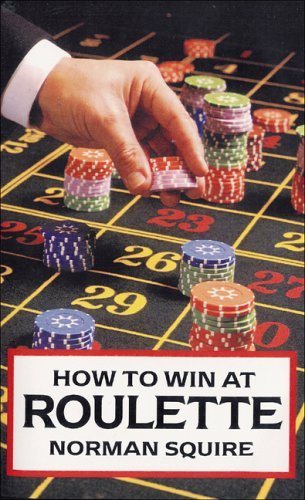 Norman Squire kirjoitti ”How to Win at Roulette” -nimeä kantavan, klassikoksikin muodostuneen rulettioppaan 60-luvulla. Kirjan nimi kääntyy suoraan suomeksi ”Kuinka voittaa ruletissa”. Se onkin laaja, yli 200 sivun katsaus ruletin taktiikkoihin ja strategioihin. Kirjaa on vuosien saatossa päivitetty ja uudistettu ja se on myös julkaistu uudelleen. Tämä teos on ehdottomasti rulettiteosten kärkikastia vielä tänäkin päivänä.
The Basics of Winning Roulette
Tässä J. Edward Allenin teoksessa annetaan ruletista kiinnostuneelle pelaajalle ohjeita pelin kulkuun vaihe vaiheelta. Kirja on helppolukuinen ja sitä voidaankin pitää varsinaisena perusteoksena ruletista kiinnostuneelle pelaajalle. Pelin kulkuun olennaisena osana kuuluvat panostusvariaatiot on esitelty tässä kirjassa selkeästi ja niiden todennäköisyydet ja voittojen maksut löytyvät tietysti myös sen sivuilta. Panostusvaihtoehtojen kirjo on laaja, mutta The Basics of Winning Roulette esittelee niitä niin amerikkalaiseen kuin eurooppalaiseenkin versioon, yhteensä jopa 150 kappaletta!
Roulette – Playing to Win
Bret Morton on kirjoittanut kirjan ”Roulette – Playing to Win”, joka on saanut myös paikan Amazonin parhaiden kirjojen listalla julkaisuvuotenaan 2014. Morton on itse kokenut rulettipelaaja, joka on pelannut niin Las Vegasin kuin Lontoonkin kasinoilla. Hän on nähnyt niin voittoja kuin tappioitakin ja onkin tätä myötä kerännyt valtavan kokemuksen pelistä ja siinä pärjäämisestä. Hän ei väitä, että ruletissa voisi aina voittaa, vaan pyrkii kasvattamaan pelaajan ymmärrystä tästä klassisesta uhkapelistä. Hän neuvoo pelaajille myös tiettyjä pelitapoja, joilla voittomahdollisuuksia voi nostaa, mutta kertoo myös ne vedot, joita ei tulisi koskaan pelata.
Secrets of Winning Roulette
 Jos on vähääkään kiinnostunut ruletin tieteellisestä puolesta, kannattaa ehdottomasti suunnata katseensa Marten Jensenin kirjoittamaan rulettikirjaan nimeltä ”Secrets of Winning Roulette”. Tämä opus perehdyttää lukijan ruletin voittamisen saloihin ja antaa varsin asiantuntevaa tietoa tästä kasinopelistä. Kirjasta löytää muun muassa vinkkejä talon edun vähentämisestä ja toimimattomista systeemeistä. Jensen pitää kirjassaan tieteellistä kärkeä edellä, joka erottaakin tämän teoksen muista niin sanotuista ruletin perusteoksista.
Roulette Rockstar
Tämä anonyymin rulettitähden paljastamasta pelistrategiasta kirjoittama kirja julkaistiin tammikuussa vuonna 2012. Kirja oli ja on saatavilla vain Kindle-lukulaitteille, joten aivan huikeaa menestystä kirja ei kerännyt, mutta on joka tapauksessa osoitus siitä, että suurvoitot kiinnostavat ihmisiä hinnalla millä hyvänsä. Amerikkalainen kirjoittaja ei halunnut nimeään kirjan kanteen, sillä kirjassa esitetyn strategian sanotaan olevan niin edullinen pelaajalle, että se saattaisi johtaa sen keksijälle kasinoille langetettavaan porttikieltoon.
Tietysti tämänkään strategian ei voida luvata toimivan 100 prosenttisesti, mutta pelaajan sanotaan kuitenkin hyötyvän siitä reilusti. Kirjan julkaisuaikaan puhuttiin myös siitä, että kasinoille voisi olla luvassa rankat ajat, jos opus menee viraaliseksi. No, kovin suurta osumaa kasinoiden suosio ei ole saanut, mutta tämä teos on varmasti kiinnostava katsaus kasinopelaamisen harmaalle alueelle.
Aiheeseen liittyvät artikkelit
- Pelaa rulettia online
- Mobiilirulettipelit
- Nettikasinojen rulettibonukset
- Rulettisysteemit
- Eurooppalainen ruletti
- Amerikkalainen ruletti
- Ruletin panostusvariaatiot
- Rulettisanasto

Aino Virtanen, jolla on teknologinen tausta Turun yliopistosta, pystyy tarkastelemaan pelejä teknisestä näkökulmasta. FreeSpinsKasino.com-sivustolla hän arvostelee uusimpia pelejä keskittyen pelimekaniikkaan, grafiikkaan ja käytettävyyteen. Hänen analyyttinen kykynsä varmistaa, että jokainen arvostelu on tarkka ja oivaltava.