

Craps -kirjallisuutta
Kasinopeleihin liittyviä kirjoja löytyy nykyisin paljon, syynä lienee yksinkertaisesti nettikasinopelaamisen yleistyminen. Osa kirjallisuudesta on saatavana suomeksi, mutta suurin osa on edelleen englanninkielistä. Jos olet innokas craps -pelin ystävä, voit perehtyä pelin saloihin internetistä löytyvän tiedon avulla.
Suosittelemme kuitenkin seuraavia kirjoja niille, joita peli todella kiinnostaa. Kirjoista löytyy pelin historiaa, tietoa pelistrategioista, tarinoita menestyneistä pelaajista – ja onhan kirjoilla myös oma viihdearvonsa!
Alta löydät erillisen esittelyn kustakin suosittelemastamme kirjasta. Esitellyt kirjat ovat englanninkielisiä ja ovat ostettavissa suurimmista verkkokirjakaupoista.
Casino Craps: Shoot to Win
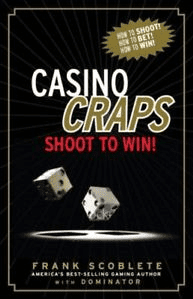 Casino Craps -kirjan ovat kirjoittaneet Frank Scoblete ja pseudonyymillä Dominator esiintyvä kirjailija. Kirja on julkaistu ensimmäisen kerran vuonna 2010. Casino Craps on kattava opus crapsin pelaajalle. Kirja lupaa lukijan oppivan pelaamaan crapsia kuin tosi ammattilainen – ei mikään pieni lupaus.
Rehellisyyden nimissä on myönnettävä, että kirja todellakin on ehkä kattavin opus, minkä aiheesta voi löytää. Kirjassa opetetaan erilaisia pelistrategioita ja heittämään noppia taidokkaasti. Tärkeimpänä antina kuitenkin kirjassa on vinkit menestyksen kannalta sen tärkeimmän kehittämiseen eli henkisen kantin kasvattamiseen. Suosittelemme kirjaa niille, jotka haluavat oppia pelaamaan crapsia ja kehittyä pelissä nopeasti.
Craps: Take Your Money and Run
Craps: Take Your Money and Run –pelioppaan on kirjoittanut Henry J Tamburin jo vuonna 1995. Kirja ei ole tuorein tapaus ja on kirjoitettu ajatellen pelaamista perinteisillä kasinoilla. Kirjan neuvot tuskin ovat kuitenkaan täysin vanhentuneita nettikasinoilla pelaamista ajatellen.
Kirjan ohjeet perustuvat kirjoittajan 25 vuoden kokemukseen crapsin pelaamisesta kasinoilla ja teoksen painopiste on nimensä mukaisesti siinä, kuinka pelaaja oppii lopettamaan pelaamisen ajoissa. Käytännön kokemus on opettanut kirjoittajaa tunnistamaan tekijät ja tilanteet, joissa pelaaminen on viisainta lopettaa, jos haluaa päättää pelin voittoputken aikana. Jos ongelmanasi on ylenpalttinen optimistisuus, lukaise tämä kirja ja opi tunnistamaan oikea hetki lopettaa, ottaa rahat ja juoksemaan.
Cutting Edge Craps
Cutting Edge Craps on toinen Frank Scobleten ja Dominatorin yhteistyönä kirjoitettu opas crapsin pelaamiseen. Kirja on julkaistu vuonna 2010 ja tämä teos tarjoilee syventävän kurssin crapsin maailmaan. Jos ensimmäiseksi esitelty tiimin kirjoittama kirja on kattava perusopas, johdattaa tämä kirja pelaajan vielä syvempiin erikoistekniikoihin. Teos on mainiota luettavaa perinteiselle kasinolle suuntaavalle, kunnianhimoiselle pelaajalle – ja varmasti muillekin pelistä kiinnostuneille.
Winning at Craps
Vihdoinkin kirja myös nettikasino-crapsin pelaamisen! Oppaan on kirjoittanut W. Scott Warner vuonna 2010. Opas opettaa pelaamaan crapsia niin, että jatkuva voittoputki on taattu – myös nettikasinolla. Kirjoittajan mukaan ei tarvitse olla ammattilainen pystyäkseen voittamaan kuin ammattilaine, joten kirja sopii kaiken tyyppisille pelaajille.
No-Nonsense Craps: The Consummate Guide to Winning at the Crap Table
Tämän vuonna 2008 julkaistun craps-oppaan on kirjoittanut Richard Orlyn. Non-nonsense Craps on tarkoitettu niille, jotka haluavat nauttia pelaamisesta, ei niinkään jättivoittoja himoitseville uhkapelureille. Kirja opettaa yksinkertaisen ja nopeasti omaksuttavan pelistrategian ja jättää useampien ja ennen kaikkea monimutkaisten strategioiden opettamisen muille oppaille.
Craps Underground: The Inside Story of How Dice Controllers are Winning Millions from the Casinos!
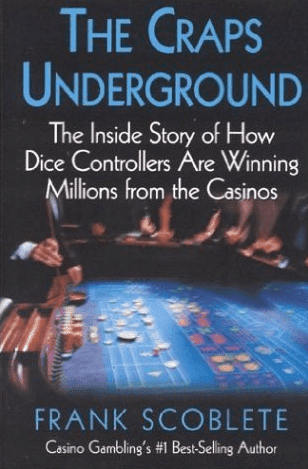 Tämän kirjan kirjoittaja on – jälleen kerran – Frank Scoblete, mutta miksipä ei! Mies on yksi Yhdysvaltain suosituimmista uhkapelioppaiden kirjoittajista. Scobleten craps-kirjat ovat olleet lailla myyntimenestyksiä ja niin myös tämä vuonna 2003 kirjoitettu kirja.
Kirja ei niinkään ole opas craps-pelin syövereihin, vaan sisäpiirin kuvaus menestyneimmistä crapsin pelaajista. Craps on peli, jota voi pelata turvallisesti tai niin kutsutulla ”kaikki peliin” -mentaliteetilla ja voittaa isosti tai hävitä raskaasti. Kirja on mielenkiintoinen ja värikäs kuvaus uhkapelimaailmasta ja varsin viihdyttävää luettavaa. Suosittelemme sitä kaikille uhkapeleistä kiinnostuneille.
Learn to Play Craps from Part-time Dice Pros
Tämän kirjan on kirjoittanut C ”Judge” Johnson Bryan Bonshellin avustuksella ja se on julkaistu vuonna 2011. Learn to Play Craps from Part Time Dice Pros on kattava kooste crapsista ja samalla tarina kahdesta miehestä, joista on tullut pikku hiljaa pelin ammattilaisia. Kirjassa esitellään heidän tarinansa lisäksi heidän käyttämiä pelistrategioita. Tämä kirjan soveltuu lukijalle, joka haluaa oppia pelaamaan crapsia voitokkaasti. Kirjasta löytyy ohjeita eritasoisille pelaajille aina aloittelijoista niille, jotka aikovat ammattilaisiksi. Kyseessä on varsin mukaansa tempaava kirja kaikille crapsista kiinnostuneille.
Aiheeseen liittyvät artikkelit

Aino Virtanen, jolla on teknologinen tausta Turun yliopistosta, pystyy tarkastelemaan pelejä teknisestä näkökulmasta. FreeSpinsKasino.com-sivustolla hän arvostelee uusimpia pelejä keskittyen pelimekaniikkaan, grafiikkaan ja käytettävyyteen. Hänen analyyttinen kykynsä varmistaa, että jokainen arvostelu on tarkka ja oivaltava.